 Melissa Durrah

The Rise of Skeuomorphic Design in the AI Era
In recent years, the design world has seen a resurgence of skeuomorphic design—a style that mimics real-world materials and textures in digital interfaces. This trend is not just a nostalgia trip back to early digital aesthetics but a strategic move to enhance user experience by making digital interfaces more intuitive and relatable. As artificial intelligence continues to evolve, tools that blend AI with skeuomorphic design elements are becoming increasingly important. This shift matters now more than ever as businesses seek innovative ways to stand out in a crowded digital marketplace.
The Design Dilemma: Bridging Aesthetics and Functionality
Design teams often face the challenge of creating visually appealing digital products that are also user-friendly. Traditional design software can be cumbersome and time-consuming, requiring significant resources that many small teams lack. Current approaches to design often involve complex tools that don't cater to the specific needs of indie creators or small startups. The gap lies in finding a solution that offers both a vast design library and the flexibility to customize designs efficiently.
Innovative Solutions: AI-Driven Design Tools
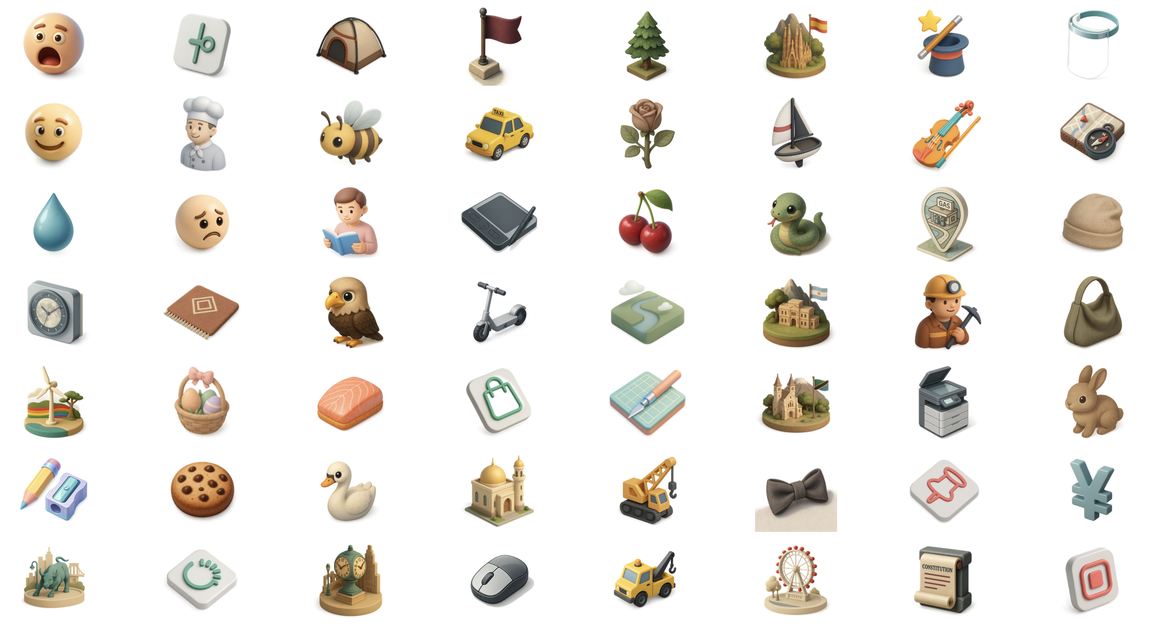
As the demand for personalized and efficient design solutions grows, builders are turning to AI-driven tools to fill this gap. SkeuDesign is a prime example of this trend. It offers an extensive library of over 3,000 skeuomorphic icons, alongside an AI generator that allows users to create custom designs. This tool is tailored to indie founders and small teams, providing them with the resources needed to enhance their visual branding without the overhead of enterprise-level software.
SkeuDesign in Practice: Streamlining Design Workflows
SkeuDesign simplifies the design process for small teams and individual creators. Imagine a startup aiming to launch a new app with a unique visual identity. By accessing SkeuDesign's library, the team can quickly select from thousands of skeuomorphic icons that align with their brand's aesthetic. If they require something more customized, the AI generator can be used to create bespoke icons tailored to specific needs. This dual approach not only saves time but also ensures that the final product is both distinctive and cohesive.
The platform's compatibility with various design software and platforms further enhances its utility, allowing seamless integration into existing workflows. By regularly updating its asset library, SkeuDesign ensures that users always have access to fresh and relevant design options.
Key Differentiators: What Makes SkeuDesign Unique
One of SkeuDesign's standout features is its focus on skeuomorphic design—a style that many modern design tools overlook. While minimalist and flat designs have dominated in recent years, SkeuDesign taps into the growing interest in skeuomorphism, providing a unique offering in the design tool market. Its pricing model, while not specified, suggests a paid access structure that is likely more affordable than enterprise alternatives, making it accessible to startups and indie creators. This focus on accessibility and customization sets SkeuDesign apart from larger, more rigid design tools.
Who Should Pay Attention to SkeuDesign?
SkeuDesign is particularly beneficial for indie founders, small design teams, and startups that prioritize creativity and efficiency in their design processes. If you're a small business looking to elevate your brand's visual identity without the complexity and cost of larger design platforms, SkeuDesign is worth considering. Larger enterprises with established design resources may find less value in this tool, as their needs may already be met by existing solutions.
About the Builder: Melissa Durrah's Vision
Founded by Melissa Durrah, SkeuDesign reflects a deep understanding of the design challenges faced by small teams and indie creators. While specific details about Melissa's background are not provided, her decision to focus on skeuomorphic design and AI integration indicates a commitment to innovation and accessibility. By addressing the gap in the market for efficient and customizable design tools, Melissa aims to empower creators to bring their visions to life with ease.
The Future of Design Tools and AI
As AI continues to integrate into various industries, the design sector is no exception. Tools like SkeuDesign represent a significant step towards more personalized and efficient design processes. Looking ahead, the challenge will be to further refine these tools, ensuring they remain adaptive to changing design trends while maintaining ease of use. The question remains: how will AI-driven design tools continue to evolve, and what new opportunities will they unlock for creators?
Explore the Launch
For those interested in exploring the capabilities of SkeuDesign, visit the official website to learn more about its offerings. The project recently launched on IndieHunt, a platform dedicated to showcasing innovative products from indie makers and startups. If you're a founder building something similar, consider submitting your project to IndieHunt.
SkeuDesign in action
Quick Answers
What is SkeuDesign?
SkeuDesign is an AI-powered tool that combines a large library of skeuomorphic icons with an AI generator. It enables users to efficiently access and create customized icons, enhancing their design projects.
Who is the target audience for SkeuDesign?
SkeuDesign is designed for indie founders, small design teams, and startups that need effective design solutions without the overhead of larger enterprise tools. It may not be suitable for larger organizations with extensive design resources.
How does SkeuDesign's pricing model work?
SkeuDesign operates on a paid model, although specific pricing details are not provided. Users are encouraged to visit the official website for the latest plans and subscription options.