

The Rise of AR/VR in Literature Review Creation
In the rapidly evolving landscape of business and academia, the demand for streamlined research processes is more pertinent than ever. The integration of augmented reality (AR) and virtual reality (VR) into traditional tasks is not new, but its application in creating literature reviews marks a significant shift. This transformation offers indie founders and small teams a unique opportunity to leverage technology for efficiency without the burdensome costs associated with enterprise-level research services.
The advent of tools like Litrevu showcases this trend, providing a glimpse into how AR/VR can redefine conventional workflows. As industries increasingly prioritize efficiency and innovation, understanding the implications of these technological advancements becomes crucial.
Challenges in Literature Review Process
Conducting a comprehensive literature review is often a daunting task, especially for indie founders and small teams who lack the resources of larger organizations. The process demands extensive research, critical analysis, and synthesis of information from various sources—tasks that require significant time and expertise. Traditionally, these teams have either outsourced this work to expensive services or attempted to manage it in-house, often at the cost of their core project development.
This gap between need and capability highlights a critical challenge: how to efficiently manage the research process without sacrificing quality or incurring unsustainable costs. For many, the traditional approaches fall short, leaving room for innovative solutions to emerge.
Innovative Solutions: How Builders Are Responding
Recognizing the inefficiencies in current workflows, builders are turning to technology for solutions. Litrevu is a prime example of this shift, offering an AR/VR tool specifically designed to assist in the creation of tailored literature reviews. By doing so, it allows users to focus on their primary projects while the tool handles the complex task of literature synthesis.
What makes Litrevu noteworthy is its accessibility and focus. It caters specifically to indie founders, small teams, and researchers who need an efficient yet cost-effective solution. By streamlining the literature review process, Litrevu exemplifies how builders are leveraging technology to address specific industry pain points.
Litrevu in Practice: A Glimpse into Its Functionality
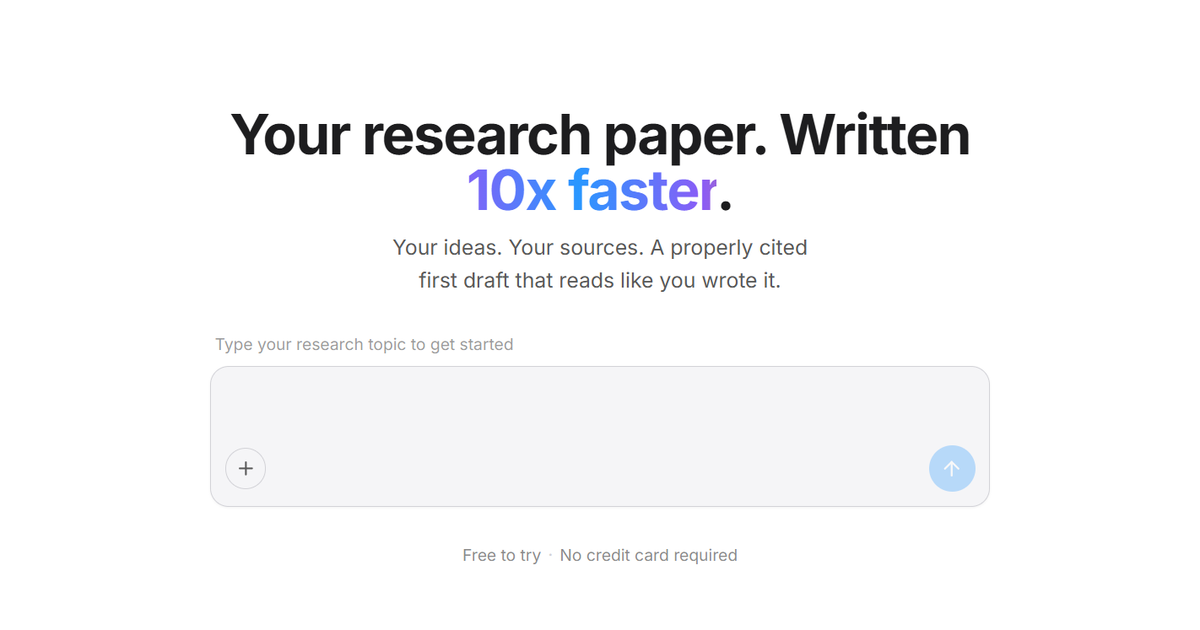
At its core, Litrevu simplifies the literature review process through a user-friendly interface. Users input their research parameters, and the tool generates comprehensive reviews tailored to those needs. This process is enhanced by the use of AR/VR technology, which provides an immersive experience, making the review process more engaging and efficient.
Imagine a small startup developing a new tech product. The team needs to understand the current research landscape but lacks the time to compile a detailed literature review. With Litrevu, they can input their specific research focus, and the tool delivers a structured review, allowing the team to quickly gain insights and make informed decisions.
What Sets Litrevu Apart?
One of Litrevu's most compelling features is its pricing model. By offering its service for free, it removes a significant barrier for small teams and indie founders who often operate on tight budgets. This approach democratizes access to sophisticated research tools, traditionally reserved for larger entities with substantial resources.
Litrevu's commitment to accessibility through a free model represents a notable shift in how research tools are positioned in the market.
Additionally, Litrevu's focus on a niche audience—indie makers and small teams—enables it to tailor its features more precisely to their needs, setting it apart from more generic research tools.
Who Should Consider Litrevu?
Litrevu is particularly well-suited for indie founders, small teams, and researchers who need an efficient way to conduct literature reviews without incurring high costs. Its user-friendly design and free access make it an attractive option for those looking to streamline their research processes. However, larger organizations with dedicated research departments might find it less aligned with their needs, given their access to more comprehensive resources.
About the Builder: Samuel de Bruyn
Samuel de Bruyn, the mind behind Litrevu, brings a keen understanding of the challenges faced by small teams and indie makers. His motivation to develop this tool stems from a desire to empower these groups with the resources they need to thrive in competitive environments. By focusing on accessibility and efficiency, de Bruyn aligns his goals with the broader trend of democratizing technology in research.
Future Outlook: The Potential of AR/VR in Research
The introduction of AR/VR into the literature review process marks an exciting development with far-reaching implications. As these technologies continue to evolve, their integration into more aspects of research and development is likely. The potential to further streamline and enhance the research process offers a promising future for indie makers and small teams seeking innovative solutions.
Will AR/VR become a standard in research methodologies? Only time will tell, but the current trajectory suggests a growing role for these technologies in the future of research.
Explore the Launch
For those interested in exploring how Litrevu can transform their research processes, visit Litrevu's website. The project officially launched on IndieHunt, where you can find more details about its features and benefits by visiting Litrevu on IndieHunt. If you're a founder working on a similar project, consider submitting your launch on IndieHunt.
Litrevu in action
Quick Answers
What is Litrevu?
Litrevu is an AR/VR tool designed to assist indie founders and small teams in generating comprehensive literature reviews efficiently. It simplifies the research process, allowing users to focus on their core projects.
Who is Litrevu best suited for?
Litrevu is ideal for indie founders, small teams, and researchers who need a straightforward way to compile literature reviews without incurring high costs. It's less suited for larger organizations with dedicated research departments.
How does Litrevu's pricing model work?
Litrevu operates on a free model, making it accessible to users without any financial commitment. This approach democratizes access to sophisticated research tools, particularly benefiting those with limited budgets.