
 Saif Elyzal
AI-Powered DevOps: Simplifying Cloud Deployment for Indie Makers
The intersection of artificial intelligence (AI) and DevOps is reshaping how applications are deployed, particularly for indie makers and small teams. As cloud environments grow more complex, the need for streamlined deployment solutions becomes critical. This shift is not just about keeping pace with technological advances but also about democratizing access to efficient development tools. Indie developers, often constrained by budget and resources, are in search of platforms that simplify their workflows without the overhead of traditional enterprise solutions. The emergence of AI-driven DevOps platforms is a noteworthy trend, offering the promise of enhanced efficiency and reduced complexity.
The Complexity of Cloud Deployments
For many indie developers, deploying applications in cloud environments poses significant challenges. Traditional DevOps practices often require a level of expertise and resources that small teams simply do not have. The manual processes involved in managing cloud deployments can be time-consuming and error-prone, diverting attention from core development activities. Current solutions may involve piecing together various tools and scripts, which can lead to inefficiencies and increased overhead. This creates a gap for indie developers who need reliable, cost-effective solutions to manage their deployment needs without the complexities of enterprise-grade systems.
Innovative Solutions: NEXUS AI and Beyond
As the demand for user-friendly deployment tools grows, platforms like NEXUS AI are stepping up to meet the challenge. NEXUS AI exemplifies how AI can be leveraged to automate and streamline DevOps processes, making it easier for indie founders and small teams to manage their application deployments. By focusing on continuous integration and continuous delivery (CI/CD) practices, the platform eliminates many of the manual tasks traditionally associated with cloud deployments. This not only enhances efficiency but also allows developers to focus more on innovation and less on infrastructure management.
How NEXUS AI Works in Practice
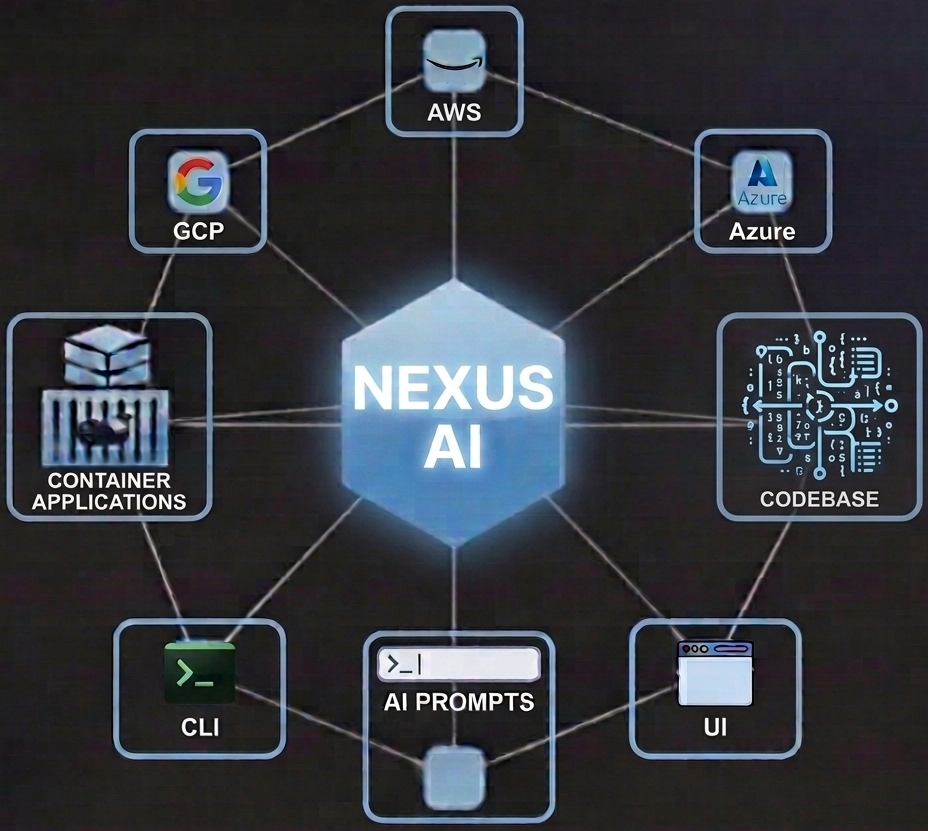
For an indie developer, integrating NEXUS AI into their workflow begins with its user-friendly interface, designed to accommodate those with limited DevOps experience. The platform automates tasks such as code deployment, environment setup, and pipeline management. This automation is powered by AI, which learns from previous deployments to optimize future processes. A typical use case might involve a developer pushing code changes to a repository, triggering an automated deployment sequence that handles everything from testing to live deployment. By abstracting these complexities, NEXUS AI enables small teams to manage their applications with the efficiency of larger organizations.
What Makes NEXUS AI Stand Out
The most striking feature of NEXUS AI is its pricing model—it's free. This accessibility lowers the barrier for indie developers who might otherwise be hesitant to adopt new technologies due to cost constraints. Additionally, its focus on simplicity and AI-driven automation distinguishes it from other DevOps tools that often cater to more experienced users or larger enterprises. While it may not offer the depth required by large organizations with complex needs, its tailored approach to indie projects is a significant draw.
Who Should Consider NEXUS AI
NEXUS AI is particularly suited for indie developers and small teams who need to streamline their deployment processes without investing in a steep learning curve or expensive tools. Teams that lack dedicated DevOps personnel will find its user-friendly interface and automated features especially beneficial. However, larger organizations with complex, customized deployment needs may find the platform's simplicity a limiting factor.
About the Builder: Saif Elyzal
Saif Elyzal, the mind behind NEXUS AI, brings a unique perspective to the DevOps landscape. With a focus on empowering indie makers, Saif aims to bridge the gap between sophisticated deployment capabilities and accessibility. His vision is to simplify the technical complexities that often hinder small teams, enabling them to compete on a more level playing field. This initiative reflects a broader trend of making advanced technological tools available to those who need them most.
The Future of AI in DevOps
As AI continues to evolve, its application in DevOps will likely expand, offering even more sophisticated automation and optimization capabilities. Platforms like NEXUS AI illustrate the potential for AI to democratize access to powerful tools, fostering innovation among indie developers. Going forward, the challenge will be to balance simplicity and power, ensuring that these tools remain accessible while meeting the growing demands of the industry.
Explore the NEXUS AI Launch
To learn more about how NEXUS AI can transform your deployment processes, visit the NEXUS AI website. This project, which recently launched on IndieHunt, represents a step forward in making advanced DevOps tools accessible to indie developers. For those building similar projects, consider submitting on IndieHunt to gain visibility and connect with like-minded creators.
NEXUS AI in action
Quick Answers
What is NEXUS AI?
NEXUS AI is an AI-powered DevOps platform designed to simplify application deployment in cloud environments. It automates various DevOps tasks, allowing indie developers and small teams to focus on their core development work without the complexities of traditional processes.
Who is NEXUS AI intended for?
NEXUS AI is tailored for indie founders and small teams needing a straightforward solution for deploying applications. It is particularly beneficial for those without extensive DevOps experience, offering a user-friendly interface and automation features.
How does the pricing model of NEXUS AI work?
NEXUS AI operates on a free pricing model, making it accessible to indie developers and small teams. This approach eliminates financial barriers, allowing users to leverage the platform's features without cost constraints.