The Rise of Indie Maker Platforms: Navigating the New Landscape
The landscape of indie maker platforms is evolving rapidly, driven by the increasing desire for creators to showcase their projects and connect with a dedicated audience. In recent years, there's been a noticeable shift towards platforms that cater specifically to indie makers, solo entrepreneurs, and small teams. This trend matters now more than ever as the barriers to entry for creating and launching products have significantly lowered, thanks to advancements in technology and the democratization of resources. As more creators enter the scene, the need for effective platforms that provide visibility and community support becomes crucial.
Understanding the Challenges Faced by Indie Makers
Indie makers often grapple with the challenge of gaining visibility in a crowded market. Traditional marketing channels can be costly and ineffective for small-scale projects. Many creators rely on word-of-mouth, social media, or niche forums to promote their work, but these methods often fall short in reaching a broader audience. The lack of a centralized platform for showcasing side projects and indie products leaves many makers struggling to connect with early adopters who are eager to try new innovations.
How Builders Are Innovating in Response
In response to these challenges, platforms like Sidehunt - Weekly hunt for side projects & products have emerged as a solution. Sidehunt provides a dedicated space for indie projects to be discovered, voted on, and discussed by a community of enthusiastic early adopters. This platform not only offers visibility but also fosters interaction between makers and users who are genuinely interested in exploring new products. By focusing on a weekly showcase model, Sidehunt taps into the excitement of discovery, making it a relevant and timely solution in today's indie maker economy.
Sidehunt in Practice: How It Works
Sidehunt operates on a simple yet effective premise: every week, new indie projects are submitted to the platform where they can be discovered and voted on by the community. This process allows makers to reach a targeted audience eager to try new products. The platform's intuitive design ensures that both novice and experienced users can navigate it with ease.
Here's how it typically works:
- Submission: Indie makers submit their projects for consideration in the weekly hunt.
- Voting: Community members vote on their favorite projects, providing valuable feedback and visibility.
- Engagement: Makers can interact with users, gaining insights and building a following.
The platform also offers a premium spotlight feature, allowing projects to gain additional visibility. This model not only enhances user engagement but also encourages makers to continually improve and iterate on their products.
Key Differentiators of Sidehunt
What sets Sidehunt apart is its focus on community-driven discovery and its transparent pricing model. For just $19 per launch, makers can showcase their projects to a dedicated audience without the need for extensive marketing budgets. This affordability, combined with the platform's emphasis on real user votes and interactions, makes it an attractive option for indie makers looking to scale their visibility organically.
Additionally, Sidehunt's positioning within the developer tools and marketing tools categories highlights its versatility. Whether you're building a new SaaS solution or launching a unique AI-driven tool, Sidehunt offers a platform tailored to diverse needs.
Who Should Pay Attention to Sidehunt?
Sidehunt is particularly beneficial for indie makers and small startup teams who are in the early stages of product development and seeking initial user feedback. It's also ideal for solo founders looking to build a community around their projects without investing heavily in traditional marketing. If you're an early adopter eager to explore cutting-edge indie products, Sidehunt provides a curated list of the latest innovations.
About the Builder
Sidehunt is the brainchild of Praneet Brar, an indie hacker with a passion for building innovative solutions. With a background in creating tools that empower creators, Praneet is deeply invested in the indie maker community. His motivation stems from a desire to bridge the gap between indie makers and their audience, providing a platform that amplifies visibility and fosters genuine connections.
Looking Ahead: The Future of Indie Maker Platforms
As the indie maker movement continues to gain momentum, platforms like Sidehunt will play a pivotal role in shaping the future of product discovery. By providing a space where innovation meets community, these platforms not only enhance visibility but also drive meaningful engagement. The question now is how these platforms will evolve to accommodate the growing diversity of indie projects and the increasing demand for niche solutions.
Explore the Launch
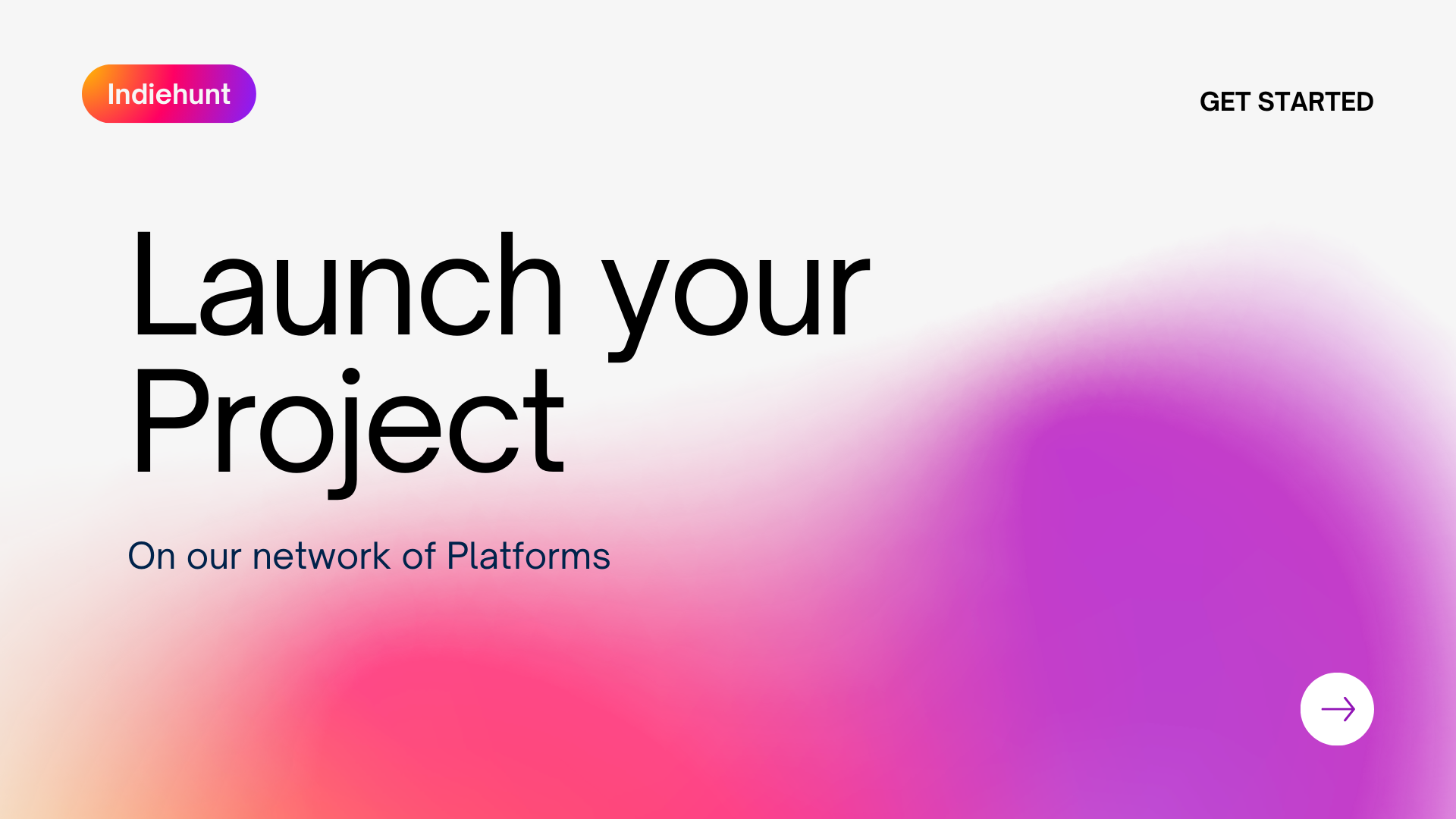
For those interested in discovering new indie projects or submitting their own, Sidehunt - Weekly hunt for side projects & products offers a unique opportunity to connect with a community of early adopters. The project has successfully launched on IndieHunt, and you can explore more about it on the Sidehunt - Weekly hunt for side projects & products on IndieHunt. For founders looking to showcase their innovations, consider submitting your project on IndieHunt.
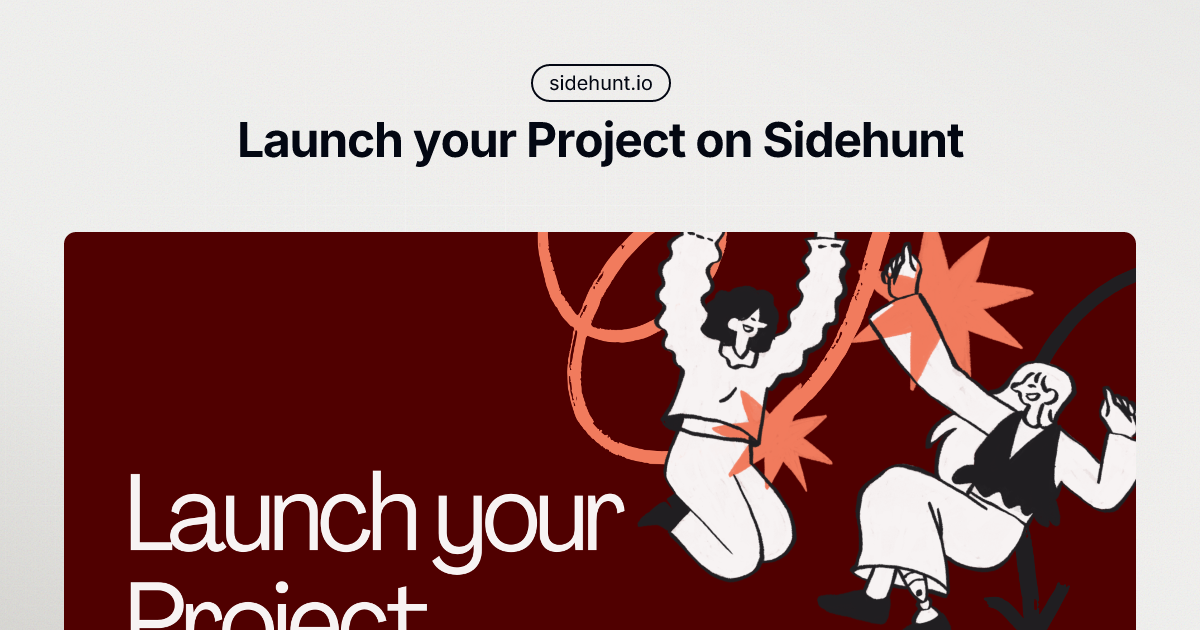
Sidehunt - Weekly hunt for side projects & products in action
Quick Answers
What is Sidehunt?
Sidehunt is a platform where indie makers and small startup teams can submit their side projects for weekly discovery by a community of early adopters. It facilitates visibility, user engagement, and feedback through a community-driven voting system.
How does Sidehunt benefit indie makers?
Sidehunt provides indie makers with an affordable and effective way to showcase their projects, gain visibility, and interact with a dedicated audience. The platform's community-driven voting system enhances engagement and helps makers gather valuable user feedback.
Who can use Sidehunt?
Sidehunt is ideal for indie makers, solo founders, and small startup teams at the early stages of product development. It's also suited for early adopters interested in exploring new and innovative indie products.